
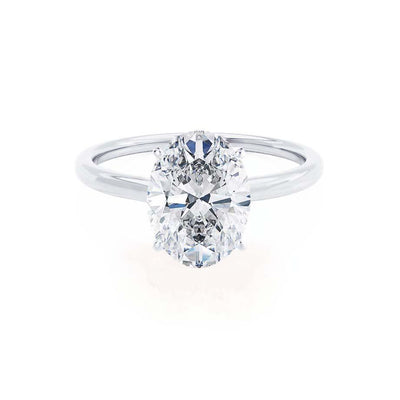
When shopping for diamond engagement rings, it’s not just the sparkle of the stone that captures attention. The metal that holds the diamond plays an equally vital role in both the look and longevity of the ring. With a wide range of metal options available today, choosing the perfect one can feel overwhelming. However, understanding the characteristics, pros, and cons of each metal can help make this decision much more manageable and ultimately more meaningful.
The choice of metal affects the overall appearance, durability, and cost of an engagement ring. It’s important to consider your lifestyle, skin tone, and personal style preferences when selecting a metal. While diamond engagement rings remain the classic standard, the metal you choose can either make the diamond appear more vibrant or subtly enhance its brilliance. Let’s explore the most popular metals and how they compare.
Platinum is often seen as the premium choice due to its durability and natural white sheen that doesn’t fade over time. It’s heavier than other metals, which can give the ring a more substantial feel. Its resistance to tarnish makes it a top choice for those seeking a low-maintenance, long-lasting ring. However, platinum is also one of the most expensive options and may require a higher initial investment.
White gold offers a similar appearance to platinum but at a more affordable price point. It’s an alloy of gold mixed with white metals such as palladium or silver, and it’s usually coated with rhodium to enhance its bright, white finish. Over time, the rhodium coating may wear away, requiring occasional reapplication to maintain its shine. White gold remains a favorite for many because of its elegant look and adaptability.
Yellow gold is the traditional choice and has been used in jewelry for centuries. It has a warm, rich tone that pairs beautifully with vintage or classic ring styles. The purity of yellow gold is measured in karats, with 14k and 18k being the most popular for engagement rings. While yellow gold is generally more prone to scratching, it’s also easy to repair and polish, making it a timeless and versatile option.
Rose gold has become increasingly popular in recent years, especially for those seeking a romantic or unique touch. Its pinkish hue is created by mixing gold with copper, and it tends to complement all skin tones. Rose gold doesn’t require any coating and is more durable than yellow or white gold, thanks to the strength of the copper alloy. Its distinctive color offers a modern twist on traditional designs, appealing to many who want something less conventional.
Palladium is a lesser-known metal that resembles platinum but is lighter and generally more affordable. It’s naturally white, hypoallergenic, and resistant to tarnish, making it a practical alternative. Though less commonly found in engagement ring collections, palladium offers a minimalist and contemporary feel that is both stylish and functional.
When choosing the perfect metal for your ring, think about how it will age over time, how often you’ll wear it, and how much maintenance you’re willing to commit to. Some people even opt for mixed-metal designs, combining the best of two worlds to reflect their personal taste. Visit our blog for more Myusawire.
Ultimately, the perfect metal should not only complement the diamond but also suit the wearer’s lifestyle and aesthetic. Whether you’re drawn to the classic shine of white gold, the enduring strength of platinum, or the blush of rose gold, there is a metal that aligns beautifully with every vision of love and commitment.
Choosing the right setting for diamond engagement rings is as much about emotion as it is about practicality. Take the time to explore your options, understand their properties, and consider how they align with the person who will wear it for a lifetime.